


How much does a locksmith cost in Mijas? Real prices 2026
Real locksmith prices in Mijas 2026: door opening from €80, anti-bump cylinder from €110, lock replacement from €80 and armoured escutcheon from €120.
Read article →Bumping is still one of the techniques that worries people most. In this guide we focus on what matters: which locks are vulnerable, which really protect you, and how to shield your door in Mijas.
Quick answer: bumping is an opening technique that opens conventional cylinders in seconds, leaving barely a trace. The way to protect yourself is not to watch the door, but to change the cylinder: a certified anti-bump cylinder (Keso, M&C, Tesa) neutralises the technique, and if you combine it with an armoured escutcheon you shield the most attacked point of the door. At S1 Locksmiths (Mijas) we advise you with no obligation and give you a fixed price over the phone: 663 225 104.
We already explained in detail what bumping is in another article. In short: it's a method that exploits how a standard cylinder's pins work to open it with a sharp tap, without visibly forcing the door. That's exactly what's worrying: as it leaves no obvious marks, it can complicate an insurance claim. We won't go into the "how" here — we go straight to what really matters: how to prevent it.
Conventional, basic or old cylinders with no specific protection are the most exposed. Signs that your cylinder may be vulnerable:
The winning combination is an anti-bump cylinder + armoured escutcheon. The cylinder neutralises fine opening (bumping, picking, impressioning) and the escutcheon stops force attacks (drilling, extraction). Separately they leave a gap; together they shield the most attacked point of your door. With this combination you make a huge leap in security, with no building work and in under an hour. We give you a fixed price over the phone.
The quickest way is for us to check it. On a visit we identify the make and protection level of your cylinder and tell you honestly whether it's worth changing. If it's already anti-bump, we won't sell you a new one. Call 663 225 104 or ask us with no obligation: we are local Mijas locksmiths, APFC certified, open 24 hours.
Damage-free opening, cylinder replacement and security locks. Fixed price over the phone, 24 hours.
Call — 663 225 104Real locksmith prices in Mijas 2026: door opening from €80, anti-bump cylinder from €110, lock replacement from €80 and armoured escutcheon from €120.
Read article →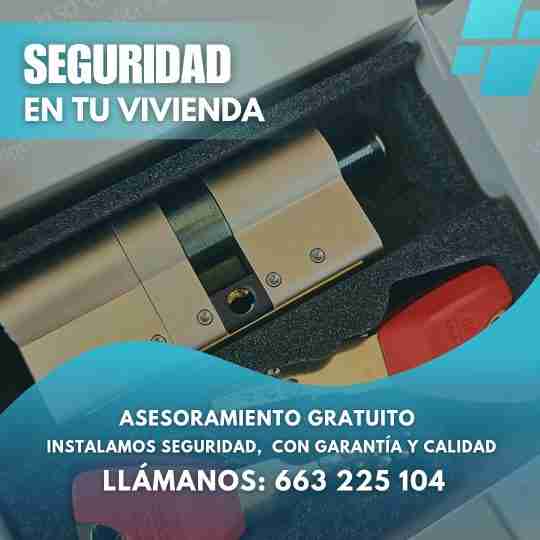
The 5 signs it's time to change your cylinder in Mijas (lost keys, moving, a nearby burglary…) and why fitting a high-security anti-bump cylinder is the best investment.
Read article →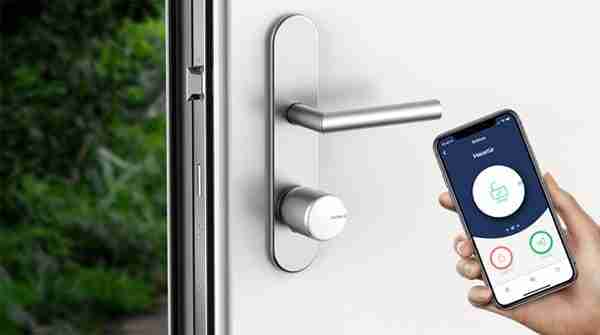
How to protect your holiday let in Mijas: smart locks with a code per booking, key-copy-controlled cylinders, an alarm without fees and remote access management.
Read article →