


Impressioning: the silent lock attack that leaves no trace
Impressioning opens a lock without a key and with almost no marks.
Read article →Bumping is one of the quietest and most widespread burglary techniques. Here we explain what it involves, why it's so concerning and, above all, how to protect your home with an anti-bump cylinder from €160.
Quick answer: bumping is a technique that opens certain locks quickly and with almost no marks. To protect yourself, all you need is a high-security anti-bump cylinder (from €160) and, for full protection, an armoured escutcheon. With that, bumping stops working on your door.
Bumping worries many families, and rightly so: it opens conventional cylinders in seconds and leaves almost no trace, which makes the burglary hard to spot and even hard to claim on insurance. The good news is that protecting yourself is easy and cheap. In this article we focus on what matters: how to stop it affecting you.
Bumping exploits the mechanics of conventional pin cylinders: with a special key and a controlled tap, the pins are released for a fraction of a second, just enough to turn the cylinder. We won't explain the "step by step" — that's not our aim, and out of responsibility — but rather what you really care about: how to shield your door so it doesn't work.
Unlike a forced break-in, bumping doesn't break or mark the door. That has two serious consequences: the burglar gets in and out without raising suspicion, and with no signs of forcing it can complicate your insurance claim. So if you suffer a "mark-free" burglary, it pays to request a forensic locksmith report to document it.
Basic, old or uncertified cylinders usually are. If your door has had the same "standard" cylinder for years, it's very likely vulnerable. Certified cylinders from brands such as Keso, M&C, Tesa, Cisa or Abus include anti-bump protection out of the box.
At S1 Locksmiths we check your lock with no obligation and tell you honestly whether your cylinder protects you or should be changed. The change takes minutes, with a fixed price over the phone.
Damage-free opening, cylinder replacement and security locks. Fixed price over the phone, 24 hours.
Call — 663 225 104Impressioning opens a lock without a key and with almost no marks.
Read article →
The door type sets the security level you can reach.
Read article →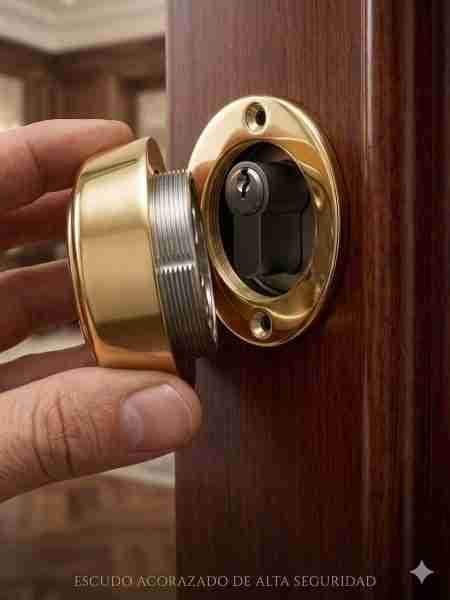
The armoured escutcheon protects the cylinder against drilling, extraction and impact.
Read article →